
Mother of the Bride Role at Kina Gecesi
As the henna night approaches, the mother of the bride may be unsure how much she is expected to manage. In many families, she helps coordinate the bride's family side, welcomes relatives, supports the bride, and keeps agreed parts of the ceremony moving.
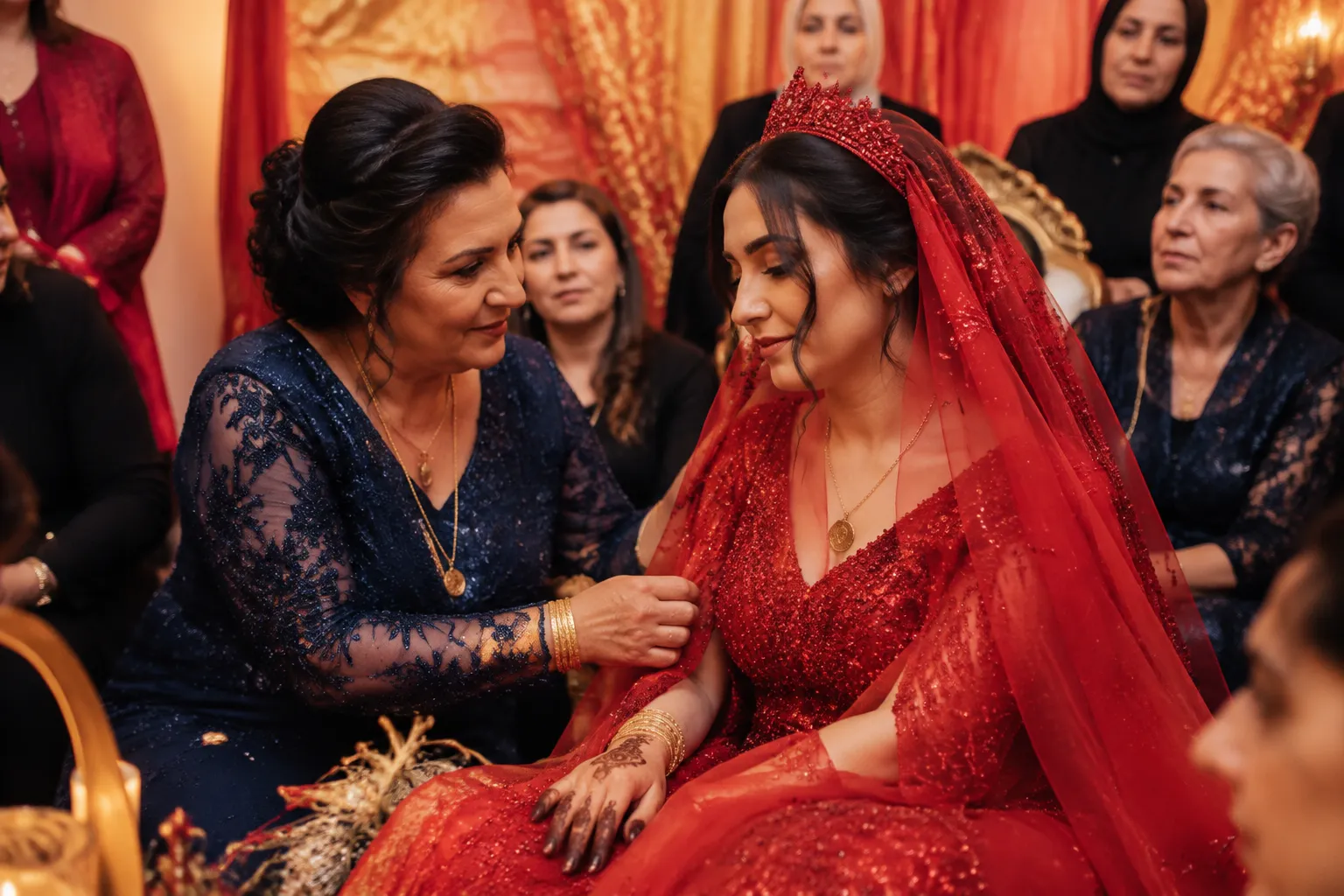
That role is practical and relational, but it does not follow one nationwide script. Some families host the evening at home, while others share the work among relatives, the couple, venue staff, or an event company. The person carrying the henna tray or applying the henna may also be another married relative, the groom's mother, a sister-in-law, or someone chosen by both families.
The useful planning question is not what the mother of the bride always does. It is which parts of this kına gecesi the family has agreed she will handle.
Before Kına Gecesi
Before the event, the mother of the bride often acts as a family coordinator. At a home-hosted celebration, this may include discussing the guest list, welcoming relatives, arranging food, and confirming who will bring or prepare the henna materials.
Regional accounts describe settings where the bride's mother invited neighbors and relatives, while women from the neighborhood helped prepare meals and appetizers. That is one local pattern, not a fixed responsibility for every family.
A short planning conversation can settle the practical questions:
- Who is inviting the bride's relatives and family friends?
- Who is contacting the groom's family?
- Who is preparing or ordering food and drinks?
- Who is supplying the henna, tray, candles, coverings, or other materials?
- Who is speaking with the venue about timing and room layout?
- Who will stay with the bride while she gets ready?
- Who will coordinate gifts, envelopes, or gold items?
- Who will assist older relatives and guests?
Agreeing these points early prevents a familiar family role from becoming an unspoken workload.
During the Ceremony
During the celebration, the mother of the bride may welcome guests, check that close relatives have arrived, and stay near the bride during important parts of the evening. She may also help relatives understand when the gathering is moving from food and conversation into songs, dancing, or the henna ritual.
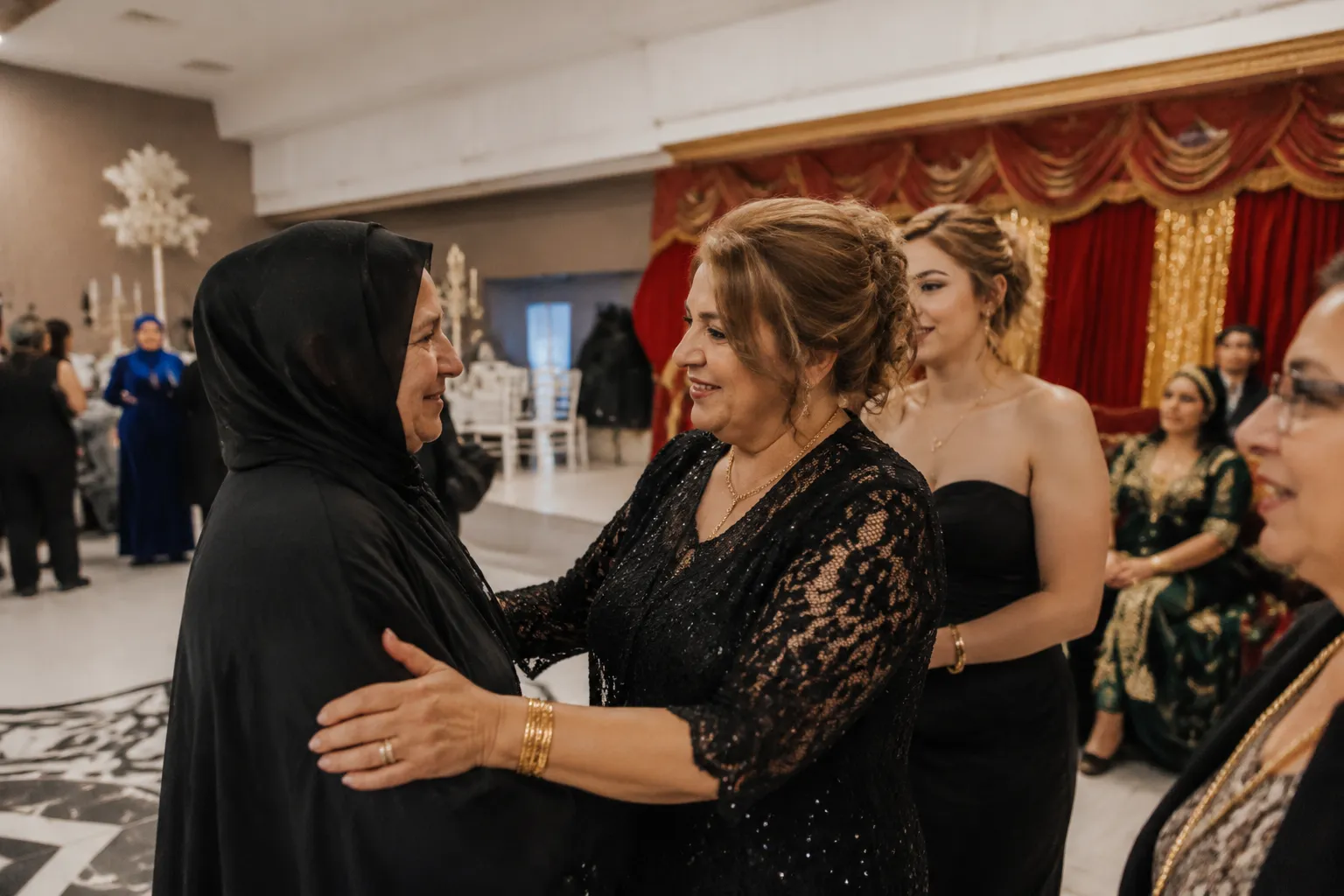
Her involvement can be visible without placing her at the center of every ritual. She might greet guests at the entrance, bring the bride into the room, check with the couple before a planned change, or quietly coordinate relatives from the family side.
At a salon reception, venue staff or an event company may manage the schedule, music, food service, and room arrangements. At a home-based celebration, relatives and neighbors may share those tasks more closely.
| Planning task | Possible person responsible |
|---|---|
| Guest welcome | Mother of the bride, another close relative, or venue host |
| Food and refreshments | Family, caterer, or venue |
| Music and ceremony timing | Couple, family coordinator, musician, or event staff |
| Henna tray and materials | Either family or a named relative |
| Applying the henna | A selected female relative or another chosen person |
| Bride's personal support | Mother, sister, friend, or bridesmaid |
| Older guest assistance | Named relatives or venue staff |
This is a planning framework, not a list of mandatory customs.
Does She Apply the Henna?
Not necessarily. The mother of the bride may apply the henna, but research and regional accounts also describe this role being given to another woman.
A married female relative may place henna in the bride's palm. In some family arrangements, the groom's mother or another woman from the groom's family takes the role. A sister-in-law, aunt, cousin, or close family friend may also be chosen.
The choice can reflect family preference, regional practice, religious or secular preferences, or the couple's wishes. Expectations about the person applying the henna, including whether she should be married, belong to particular family or regional settings rather than serving as a general rule.
Before the event, the mother of the bride can:
- Ask the couple who they want to apply the henna.
- Confirm that person understands the planned sequence.
- Check who provides the henna and tray.
- Ask the venue about candles, food, trays, or other ceremony arrangements.
- Tell close relatives when the henna moment will begin.
If she is not applying the henna, she can still support the bride and help the selected person prepare.
What Happens Around the Henna Moment?
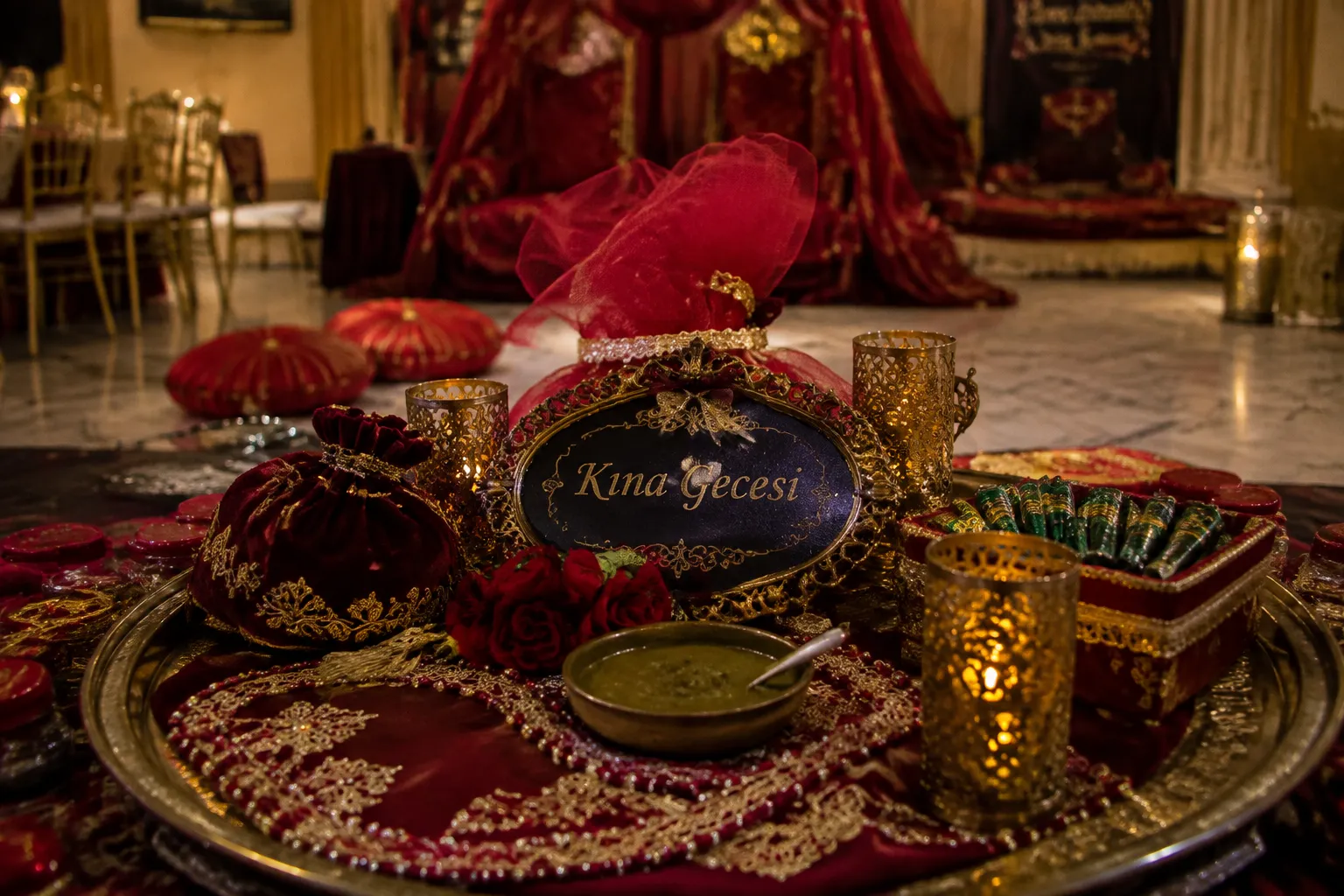
Reported kına gecesi celebrations may include a decorated henna tray, candles, songs, dancing, red clothing, and a moment when henna is placed in the bride's palm. Some accounts describe the bride keeping her hand closed before accepting a gold coin or another gift, after which the henna is applied.
These elements do not appear in the same form at every event. A home ceremony, village celebration, salon reception, and diaspora wedding may use different music, clothing, timing, and family roles. Some couples choose a shorter symbolic moment rather than repeating a longer sequence.
The mother of the bride should know which version the couple has chosen. Her practical role may be to keep the bride comfortable, alert the correct relative, check that the tray is ready, and prevent the ceremony from surprising the bride or guests.
A recognizable kına gecesi does not require every reported custom to be reproduced.
What She Does Not Automatically Have to Do
The mother of the bride does not automatically have to pay for every item, prepare all the food, invite every guest, host the entire evening, apply the henna, manage the music, or settle disagreements between families.
Those responsibilities depend on the couple's plan and the event format. A venue team may manage much of a salon reception, while relatives and neighbors may share more preparation at home.
The emotional tone also varies. Kına gecesi is often described as combining celebration with the bride's separation from her natal household, and some songs create a tearful atmosphere. That symbolism is not a requirement for every bride or mother. A bride may feel emotional, cheerful, uncomfortable, or simply ready to follow the planned ceremony.
The mother's role is support, not performance. She can help the bride participate in the way the couple has chosen.
Agree the Family-Side Plan
Before invitations go out, include the couple, the mother of the bride, a representative of the groom's family, and the venue or event coordinator when relevant.
Discuss the location, approximate ceremony flow, guest invitations, food, henna materials, the person applying the henna, music, gifts, and the mother's preferred level of involvement. Also confirm any family, religious, or secular boundaries that affect the evening.
Writing the decisions in a shared message can help when relatives live in different cities or countries and familiar customs do not match. The venue should confirm its own arrangements for candles, trays, food, room timing, and staff responsibilities.
How Customs Vary
Kına gecesi customs vary by region, family history, religious or secular practice, venue, household budget, and diaspora experience. Research describes celebrations held in family homes, village settings, gardens, and specialized entertainment venues, alongside a shift toward more venue- or event-company-led formats.
Those differences affect the mother of the bride directly. In a household ceremony, she may coordinate neighbors, food, invitations, and materials. In a salon reception, her main part may be greeting relatives and supporting the bride while staff manage the schedule.
Regional examples can help families form questions, but they cannot establish a universal duty list. Confirm the final responsibilities with the couple, both families, and the venue before the ceremony.
Sources
- International Journal of Social
- 'Mother Bring the Henna': Kına Gecesi and Fragmented Imaginations of the Nation-state
- Türkiye'de Kına Gecesi Bohça Götürme Geleneği ve Toplumsal İşlevi
- Üzümlük (Parês) Köyü Düğün Töreni ve Türküleri
- The Change in Erzincan Wedding Traditions
- KÜLTÜR AKTÖRLERİNDEN İNTERNET FENOMENLERİNE DOĞUM VE EVLİLİK İLE İLGİLİ UYGULAMALAR
- Kınanın Gizli Özneleri: Sağlık Söylemleri Altında Yatan Duyuların Belleği