
Civil And Custom Boundaries
Editorial Policy
Wliano is edited as a practical planning reference for Turkish and Turkish-diaspora weddings. The work separates family custom, venue routine, guest etiquette, and civil registration context so readers can plan the next conversation without mistaking cultural notes for legal instructions.
What We Do Not Claim
Wliano does not act as a civil registry, legal advisor, religious ruling source, vendor directory, or professional licensing body. Civil marriage requirements depend on the place where the couple registers, and readers should check the relevant office before relying on paperwork or appointment details.
How Content Is Created
Pages are created by Waley Antti through a small editorial routine: choose a real planning question, name the ceremony moment, note who is usually involved, separate custom from logistics, and add variation language where families, regions, venues, or diaspora settings may differ.
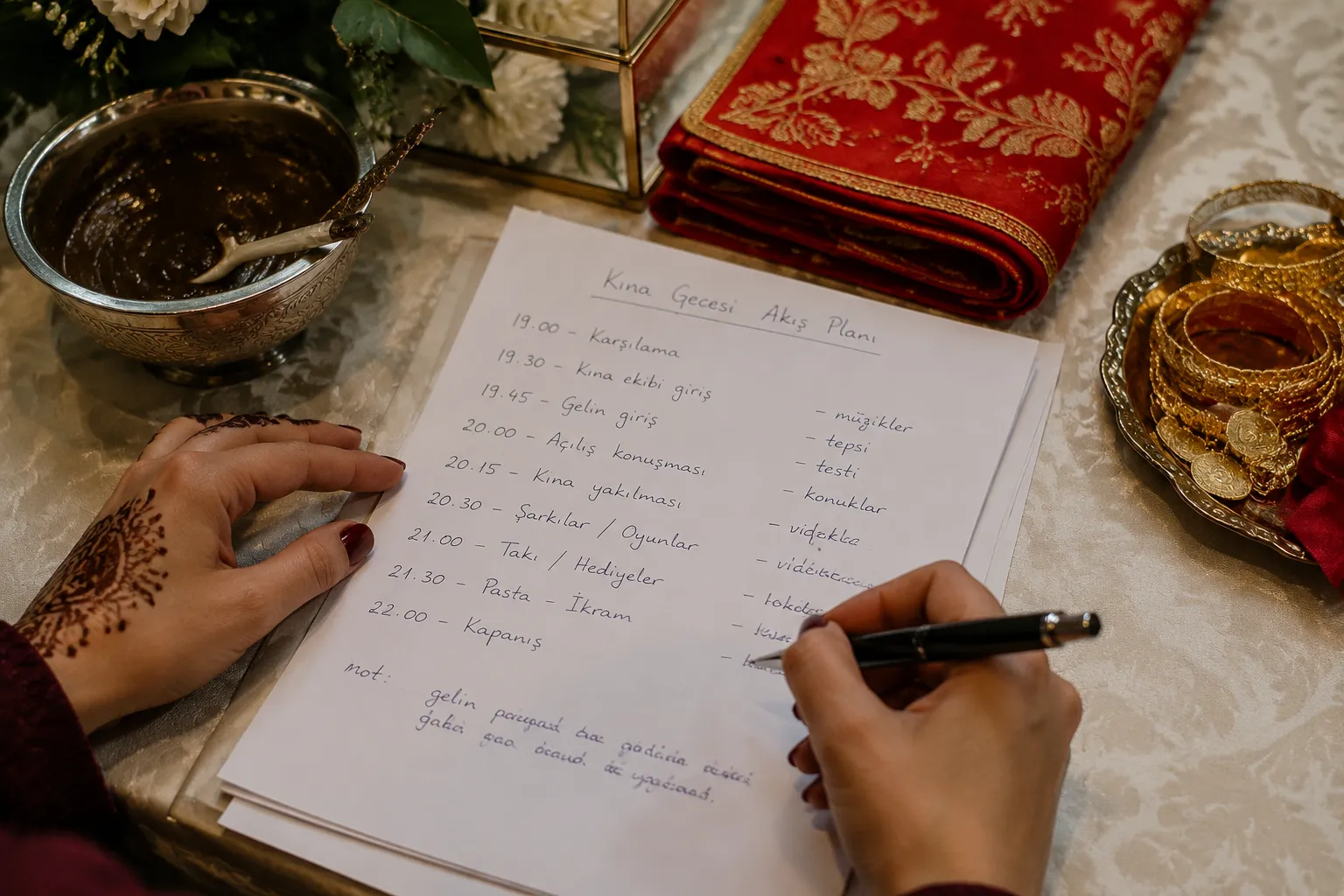
Examples are kept concrete: asking ceremonies, henna entrances, takı pinning, salon meal flow, village courtyard timing, guest clothing, music sets, photography windows, and civil appointment context.
Corrections And Revisions
Older pages are revised when wording sounds too universal, a custom needs a clearer family or regional note, a venue-flow detail needs sharper sequencing, or civil-registration language should be moved away from legal conclusion. Reader questions can point us to unclear wording or missing boundary notes.
Disclosure And Scope
Editorial pages are written to explain planning context, not to sell services or promise outcomes. If a page discusses civil paperwork, it stays descriptive and directs readers toward the registering office for current requirements. If a page discusses a custom, it uses terms such as often, commonly, in many families, or at some weddings when practice varies.